
John Newton
5 articles · 4 topics
John Newton (1725–1807) led one of the most dramatic lives in the history of the Christian church. Born in London, the son of a sea captain, he lost his mother at the age of seven, went to sea at eleven, and by his twenties had become the captain of a slave ship — a life he later described with horror and without self-exculpation. His conversion came gradually through a terrifying storm at sea in 1748, after which he began to read the Bible and pray, though he continued in the slave trade for several more years.
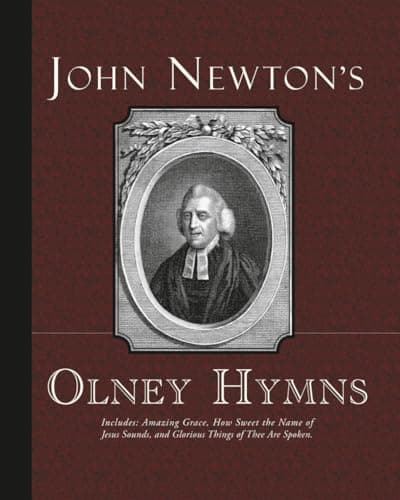
After leaving the sea, Newton studied under the evangelical minister George Whitefield, was ordained in the Church of England in 1764, and was appointed curate of Olney in Buckinghamshire — a position he held for sixteen years. At Olney he befriended the poet William Cowper, and together they produced the Olney Hymns (1779), one of the most important hymn collections in English — including Newton's own "Amazing Grace," "How Sweet the Name of Jesus Sounds," and "Glorious Things of Thee Are Spoken," and Cowper's "God Moves in a Mysterious Way."
In 1780 he became rector of St. Mary Woolnoth in the City of London, where he ministered for the rest of his life, becoming one of the most widely sought-after spiritual counselors in England. His Cardiphonia (Letters to Spiritual Inquirers) is one of the richest collections of spiritual correspondence in the English language. Near the end of his life, he made a public testimony before Parliament of his former involvement in the slave trade, supporting the abolition movement led by his friend William Wilberforce. He reportedly said, when asked whether his memory had failed enough that he should retire from preaching: "My memory is nearly gone; but I remember two things: that I am a great sinner, and that Christ is a great Savior."
Books by John Newton
16 books

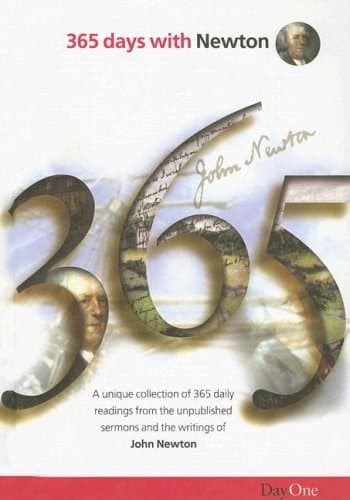
Grace Online Library is an Amazon Associate. Purchases made through these links help support the library at no extra cost to you.
Read Articles by John Newton
The Believer's Inability on Account of Remaining Sin
I have been sitting perhaps a quarter of an hour with my pen in my hand, and my finger upon my upper lip, contriving how I should begin my letter.-A detail of the confused incoherent thoughts which have successively passed through my mind, would have more than filled the sheet; but your Lordship's…
The Practical Influences of Faith
The use and importance of faith, as it respects a sinner's justification before God, has been largely insisted on; but it is likewise of great use and importance in the daily concerns of life. It gives evidence and subsistence to things not seen, and realizes the great truths of the Gospel, so as…