
Charles H. Spurgeon
9 articles · 8 topics
Charles Haddon Spurgeon (1834–1892) was the most celebrated preacher in the Victorian world, and arguably the most gifted popular preacher in the history of the English-speaking church. Born in Kelvedon, Essex, into a family of Congregationalist ministers, he was converted at fifteen in a Primitive Methodist chapel during a snowstorm when a lay preacher expounded Isaiah 45:22: "Look unto me, and be ye saved, all the ends of the earth."
By the time he was twenty, Spurgeon was drawing crowds of thousands to the New Park Street Chapel in London. By the time he was twenty-three, he was preaching to 10,000 people at a time in the Surrey Gardens Music Hall. The Metropolitan Tabernacle, built to hold his congregation, seated 6,000 and was filled twice every Sunday for over thirty years. He preached on average ten times a week, and his collected sermons fill sixty-three volumes — the largest corpus of books by any individual author in the history of Christianity.
Spurgeon was a thoroughgoing Calvinist, unapologetic about election, particular redemption, and the sovereignty of God in salvation — convictions he believed were simply the doctrines of grace taught in Scripture and summarized in the great confessions of the Reformation. Yet he was also a passionate evangelist who pleaded urgently with sinners to trust Christ. He founded Spurgeon's College to train ministers, ran an orphanage, and supported dozens of charitable works. Near the end of his life he fought the "Downgrade Controversy," warning that evangelical churches were abandoning the authority of Scripture and the doctrines of the Reformation — a battle he largely lost in his lifetime but that history has judged he was right to fight.
Books by Charles H. Spurgeon
45 books
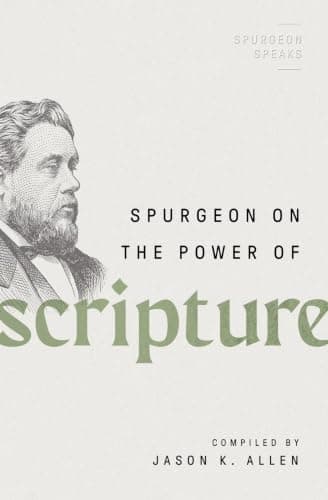
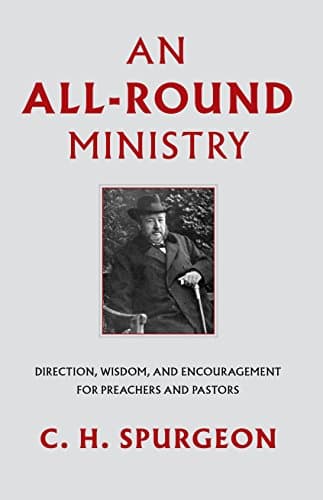
Grace Online Library is an Amazon Associate. Purchases made through these links help support the library at no extra cost to you.
Read Articles by Charles H. Spurgeon
A Memoir of Thomas Watson
Thomas Watson's Body of Practical Divinity is one of the most precious of the peerless works of the Puritans; and those best acquainted with it prize it most. Watson was one of the most concise, racy, illustrative, and suggestive of those eminent divines who made the Puritan age the Augustan period…
How Spurgeon Learned of Grace
Well can I remember the manner in which I learned the Doctrines of Grace in a single instant. Born as all of us are by nature, an 'Arminian,' I still believed the old things I had heard continually from the pulpit, and did not see the Grace of God. When I was coming to Christ, I thought I was doing…